Timeline
September 2022 to February 2023
Role
Digital Experience Director
Industry
Climate Tech
The context
A new kind of climate company needed a new kind of presence
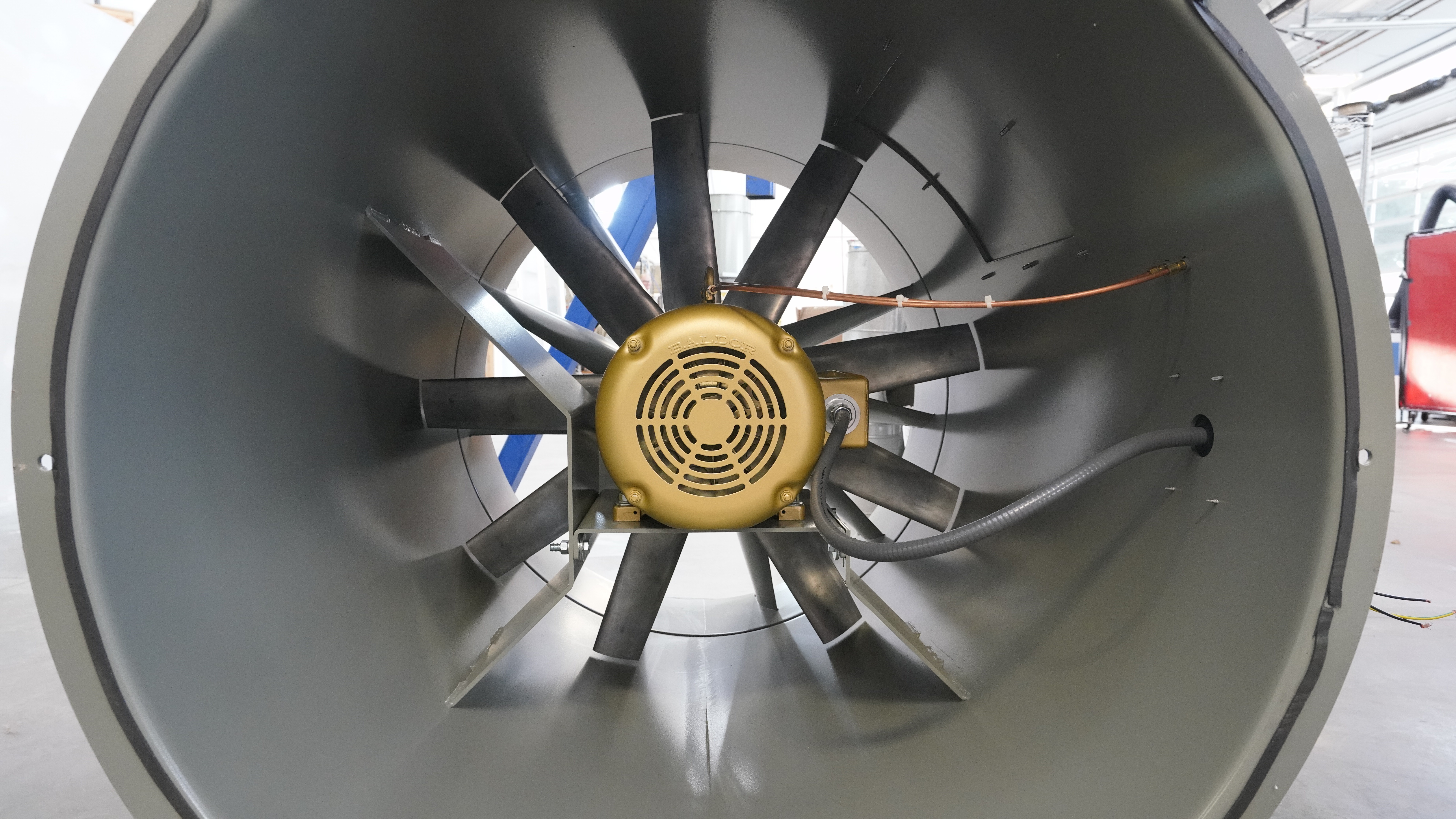
Aircapture is pioneering a circular carbon economy — extracting CO₂ directly from the atmosphere and delivering it as beverage-grade gas to commercial and industrial clients, precisely where and when they need it.
Aircapture partnered with West to build a brand identity and digital presence worthy of a company pioneering an entirely new category — one that needed to earn the trust of enterprise buyers, climate investors, and top talent simultaneously. I led the website design process end-to-end — from discovery through execution to dev handoff.

The Challenge
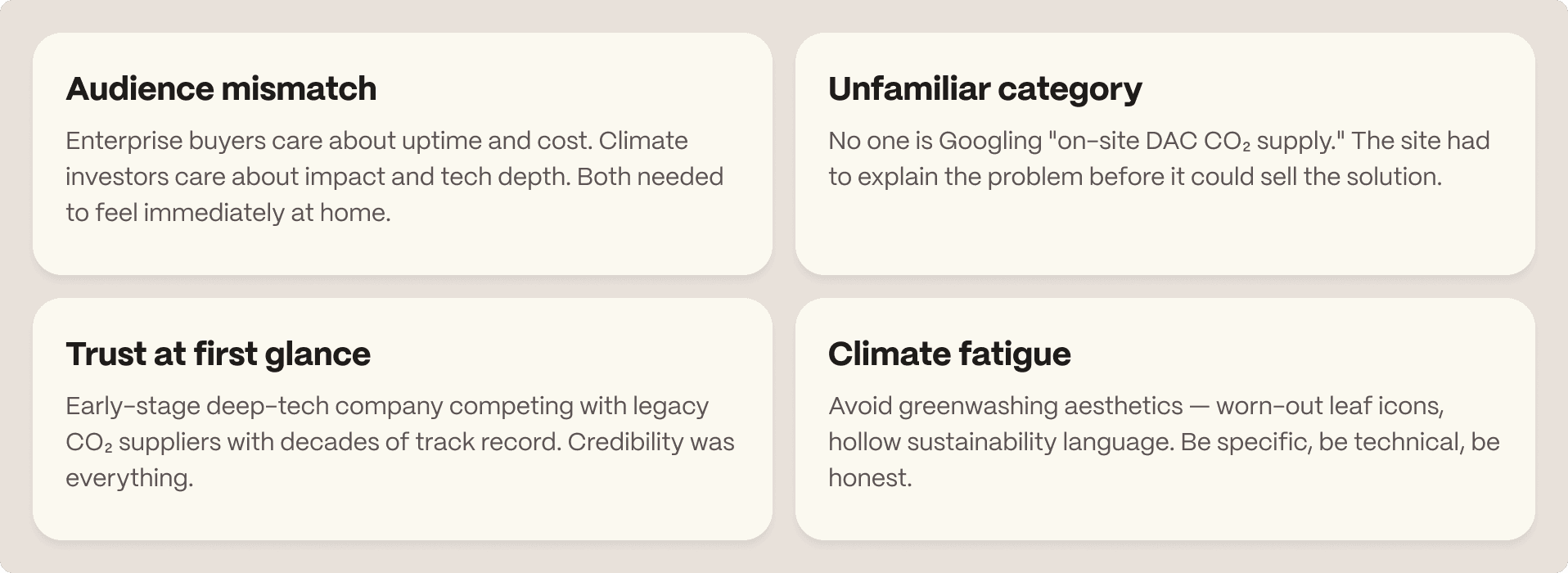
Direct Air Capture is an emerging technology most people have never encountered. Aircapture's buyers are operations managers, procurement teams, and supply chain leads at commercial beverage and industrial companies — not climate scientists. They needed enough to trust the technology and move toward a procurement conversation. Climate investors needed a different story: market size, team credibility, vision for scale. New hires needed to feel the mission.
One website. Three audiences. No margin for confusion.
The Strategy
To unite investors, buyers, and potential hires, the team developed a central mission and a comprehensive wordbook — consistent language tailored for each audience, anchored in the same core purpose.
My job was to translate that into a web experience that worked for all three. The central design decision was sequencing: lead with the mission and environmental stakes, then branch into audience-specific pathways. Leading with "we extract CO₂ from the atmosphere" is abstract. Leading with "commercial beverage companies get the gas they need, delivered where and when they need it" is concrete. The technology explanation follows from the use case — not the other way around.
The Almanac Beer Co. partnership was treated as a central trust signal, not a footnote. A named, real-world commercial deployment with a recognizable brand is the most credible thing a startup can show enterprise buyers. I gave it visual prominence and narrative weight accordingly.
The Solution
Designed for three audiences at once.
Every navigation decision was shaped by one insight: two very different people were landing on the same homepage — a procurement director trying to solve a CO₂ shortage, and a journalist covering the energy transition. The expandable nav system allows fast path-finding without overwhelming first-time visitors.
For buyers, the experience is direct and efficient — a clear path from problem to solution to contact. For investors, the emphasis is on market size, team credibility, and the scale of the opportunity. For potential hires, it presents the mission and culture through the voices of people already doing the work.
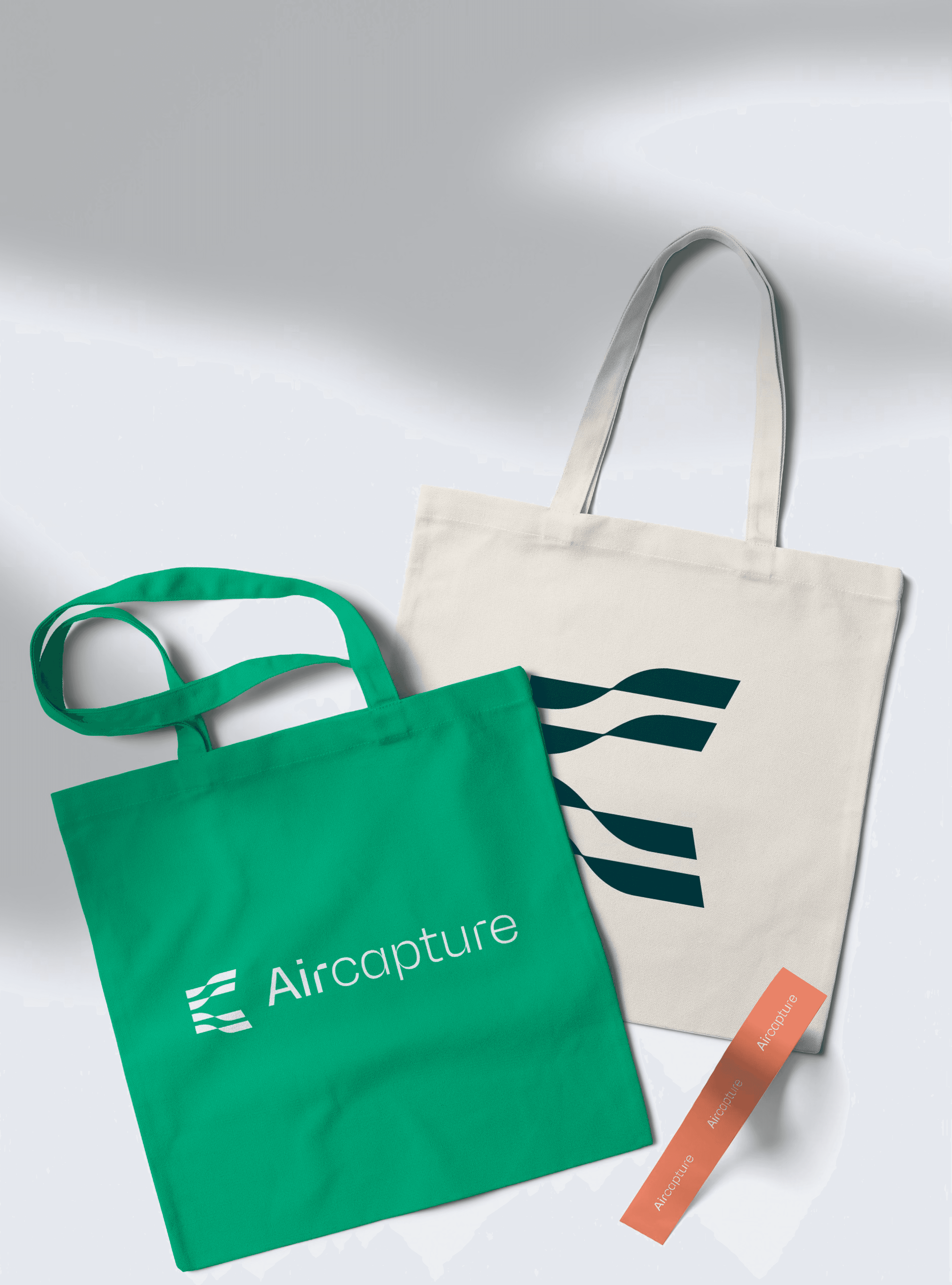
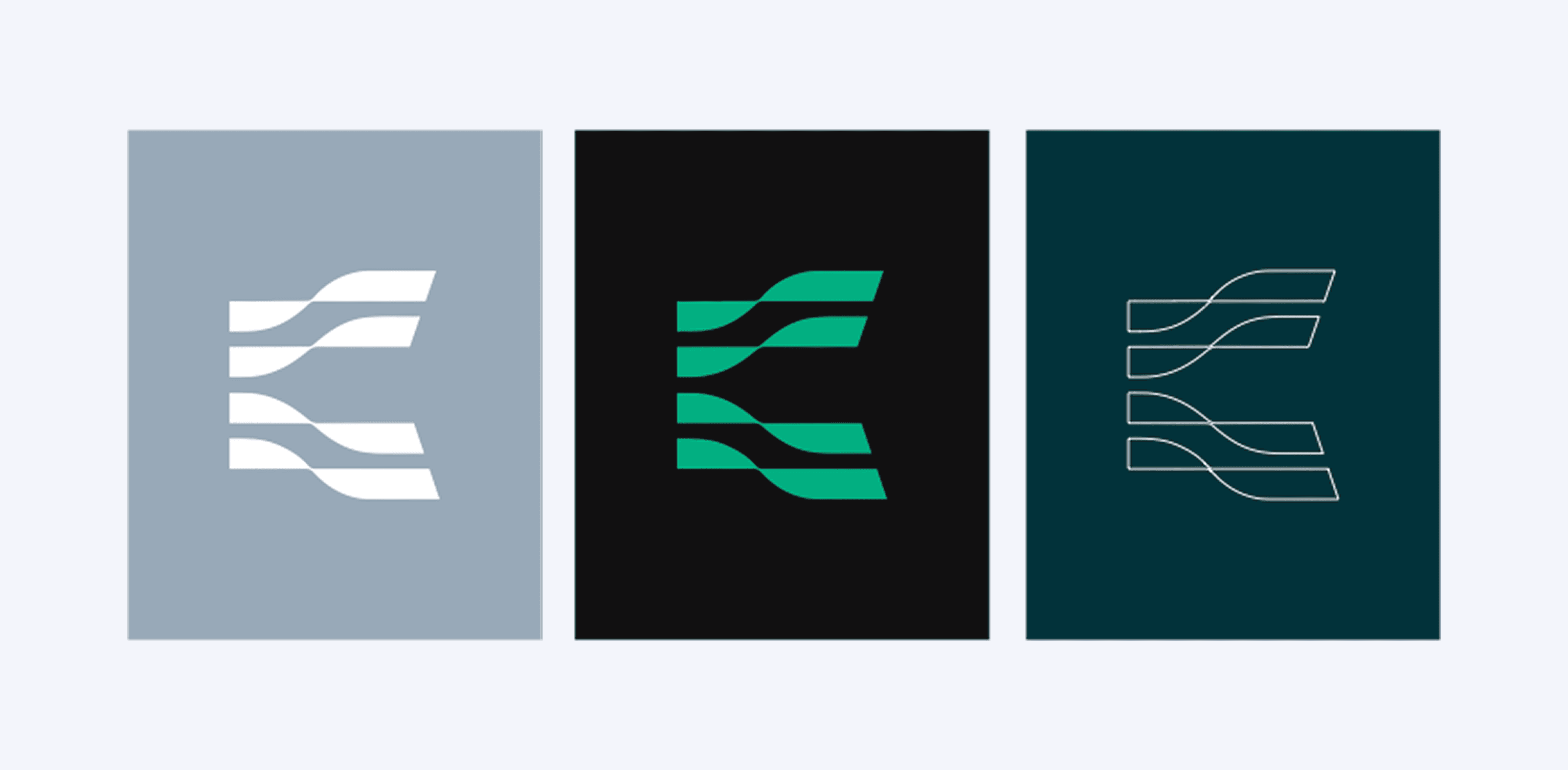
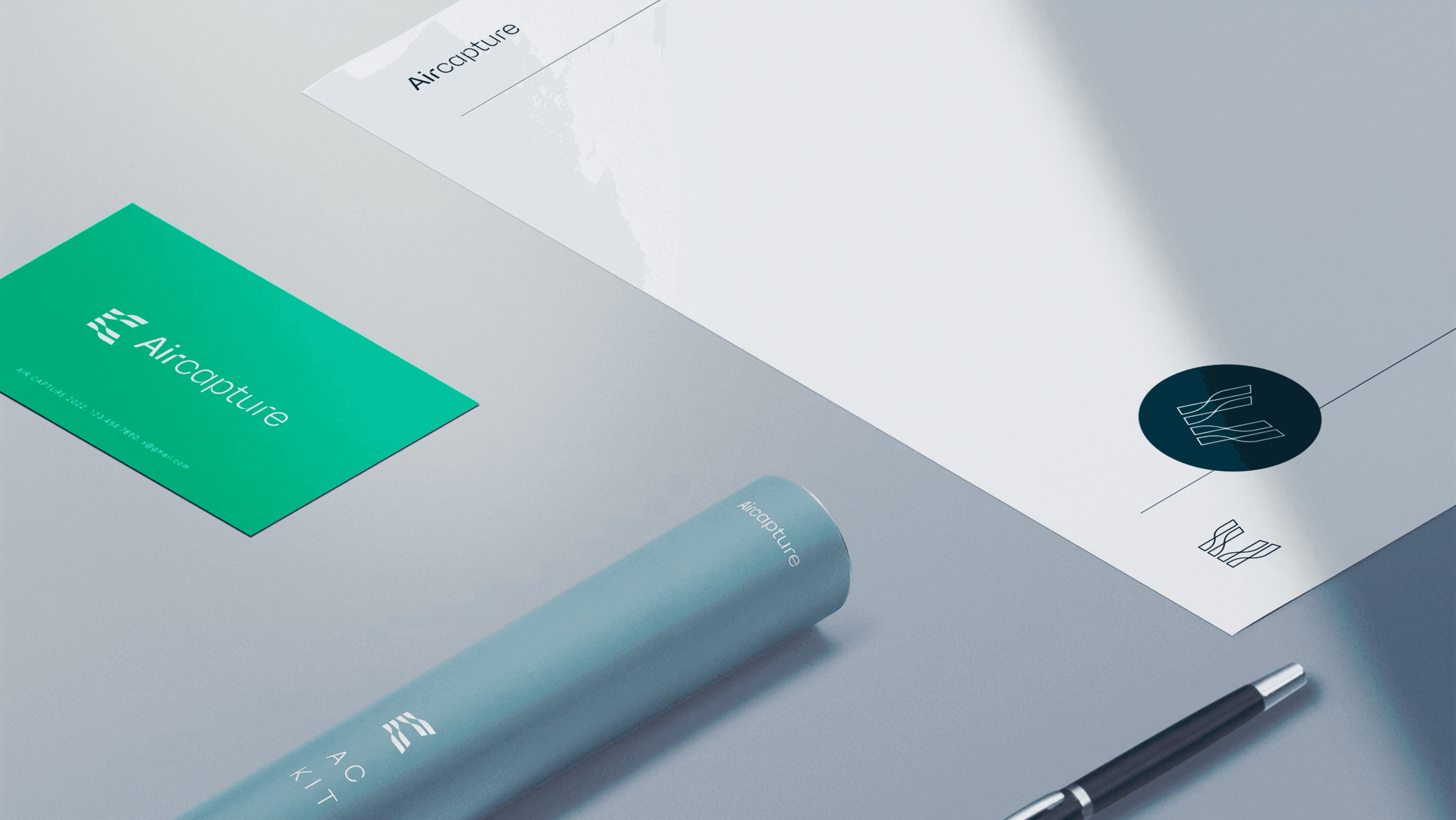
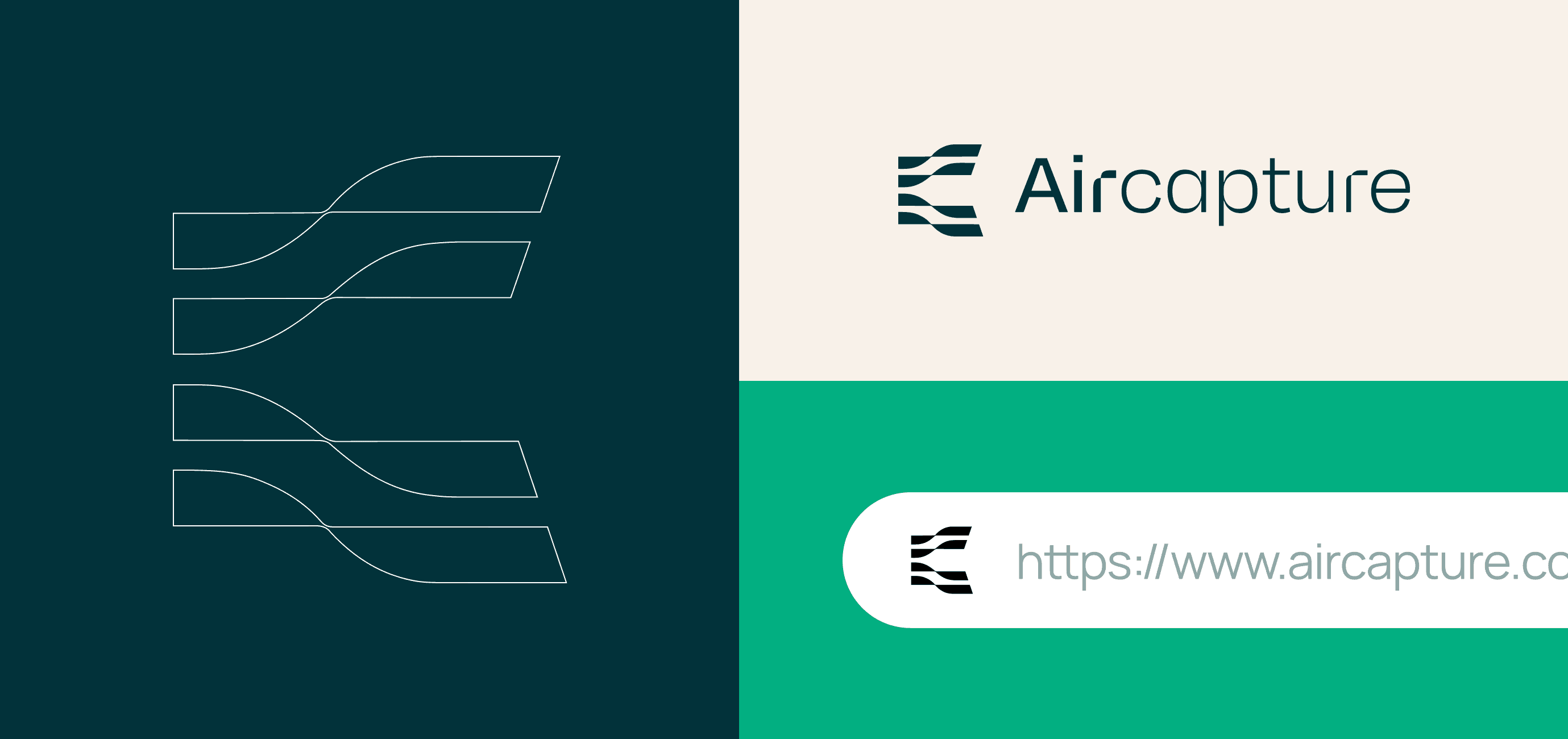
The brand and website work in concert — a visual identity built around kinetic energy and directional flow, extended into a web experience that felt pioneering without feeling speculative. Credible enough for enterprise procurement. Compelling enough for investor due diligence. Clear enough for someone encountering carbon capture for the first time.

The Outcome
Aircapture has since been featured in the New York Times, KQED, and other national outlets. The website and brand have supported fundraising, commercial partnerships — including a real-world deployment with Almanac Beer Co. — and a growing team.

Learnings
User testing with buyers: The site was designed based on strong hypotheses about what procurement managers needed. Earlier testing with actual industrial buyers would have validated assumptions sooner.
Mobile-first pressure: The desktop experience is strong; the mobile translation required significant extra attention. Starting mobile-first would have created a cleaner hierarchy.
Richer case studies: The Almanac Beer Co. partnership is a powerful story. A dedicated, detailed case study page would have strengthened trust signals even further.
Analytics-driven iteration: More robust tracking from launch — scroll depth, CTA click-through, form entry points — would have enabled faster design iterations based on real behavior.